Find youtube influencers for your brand
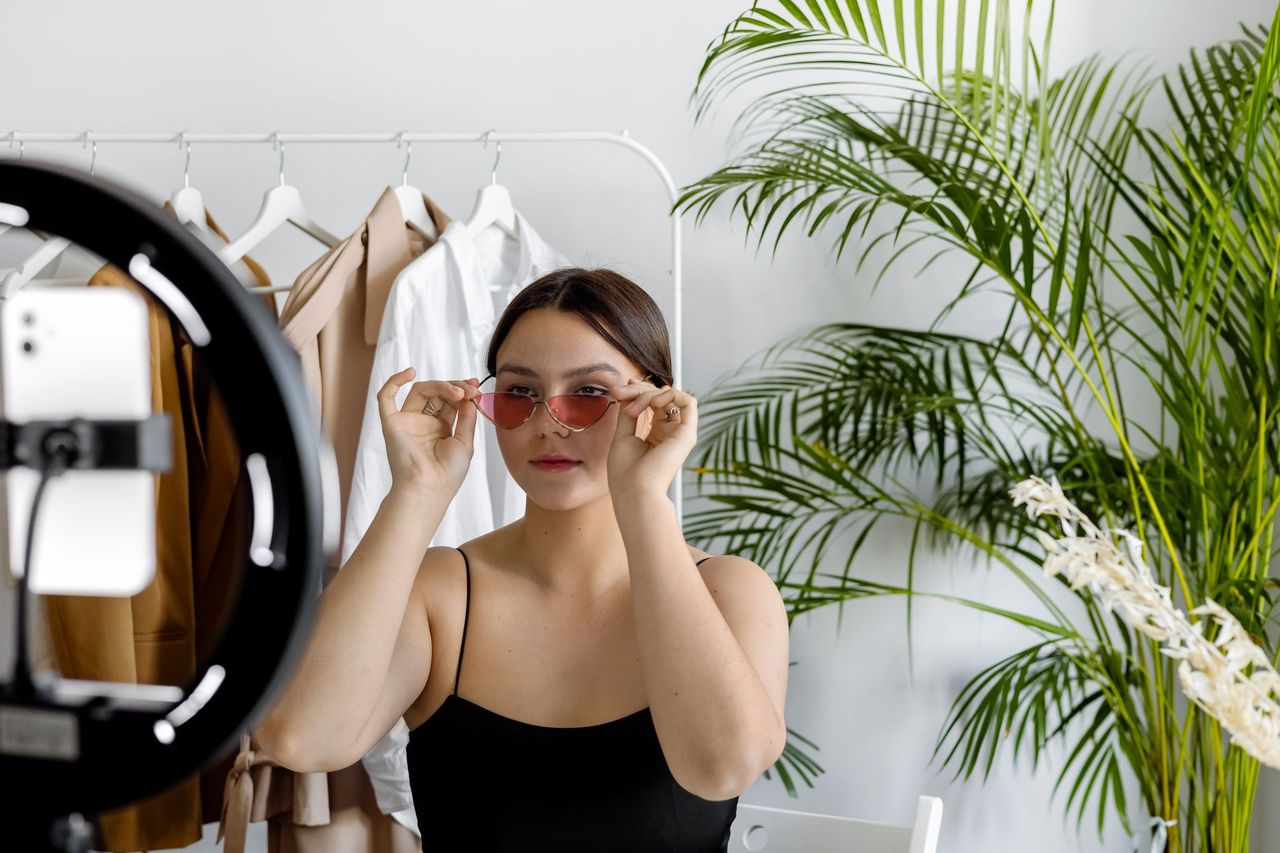
Finding the right YouTube influencers for your brand can feel like searching for a needle in a haystack — especially when you need real business results, not just views. The good news: with the right process, you can build a repeatable pipeline of creators who actually drive leads, sales, and lasting brand awareness.
Start With A Clear Goal And Audience Profile
Before you open YouTube or any influencer database, define what success looks like. Are you trying to generate lead generation at the top of the funnel, nurture prospects mid-funnel, or close sales with high-intent buyers? Each goal points to a different type of creator. A top-of-funnel awareness play might use a large lifestyle or tech channel, while a bottom-of-funnel push needs a niche reviewer or tutorial channel where viewers are already comparing solutions.
Next, build a simple audience profile: job titles, company size, pain points, and the questions they type into YouTube. This becomes your search filter. For example, if you sell sales engagement software, your audience searches for "cold email tips" or "SDR prospecting routine" — not generic "business motivation." Write down 5-10 seed keywords and 3-5 competitor brands. These will anchor every search you run.
- Define one primary goal: awareness, lead generation, or direct sales.
- List 5-10 search terms your ideal buyer actually uses on YouTube.
- Identify 3-5 competitors and note which creators they sponsor.
- Create a one-page ideal creator profile: niche, audience size, content style, posting frequency.
Use Multiple Discovery Channels To Build A Prospect List
Relying on a single tool will limit your prospecting. Combine free and paid methods. Start with YouTube's own search and filters: search your seed keywords, filter by upload date and view count, and note channels that appear repeatedly. Check the "Channels" tab and the "Related channels" section on competitor pages. Also mine video comments — people who comment thoughtfully are often creators themselves or run relevant channels.
Then layer in dedicated influencer platforms. Tools like Heepsy, Upfluence, and CreatorIQ let you filter by niche, subscriber count, engagement rate, and audience geography. For B2B specifically, LinkedIn is underrated: search for "YouTube creator" plus your industry and look at who posts video content. Finally, ask your existing customers and contacts which creators they follow. Warm referrals beat cold lists every time.
- Run YouTube searches with 5-10 seed keywords and save promising channels.
- Use Heepsy or Upfluence to filter by niche, engagement, and audience location.
- Mine competitor video comments and related channels for hidden gems.
- Ask customers and sales contacts which creators they trust.

Vet Creators For Fit Not Just Follower Count
A channel with 50,000 engaged subscribers in your exact niche will outperform a 500,000-subscriber generalist channel almost every time. Look at average views per video over the last 10 uploads, not just the subscriber number. Check the engagement rate: comments and likes relative to views. A healthy rate for B2B is often 2-5%, but it varies by niche. Read the comments — are viewers asking buying questions or just saying "great video"?
Audience quality matters more than size. Use the creator's YouTube Analytics if they share it, or ask for a media kit with audience demographics, top geographies, and past brand results. Watch at least two full videos to judge tone, production quality, and whether they naturally mention products. If the creator never does sponsored content, they may not be ready — or they may be a hidden opportunity. Either way, note it.
- Check average views over the last 10 videos, not total subscribers.
- Calculate engagement rate: (likes + comments) / views.
- Read comments for buying intent and audience questions.
- Request a media kit with demographics and past campaign performance.
Reach Out With A Pitch That Respects Their Time
When you reach out, skip the generic template. Reference a specific video you watched and explain why your product fits their audience. Keep the first email short: who you are, what you offer, why it's relevant, and a clear next step. Offer a few collaboration options — a dedicated review, an integration mention, or a live Q&A. Be transparent about budget range early to avoid wasted calls.
Personalization scales if you systemize it. Create a simple pipeline in your CRM with stages: prospect, contacted, replied, negotiating, contracted, live, results. Track response rates by template and by creator niche. Most creators get dozens of pitches weekly, so follow up once after 5-7 days. If they don't reply, move on — don't burn bridges. A polite no today can become a yes next quarter.
- Reference a specific video and explain audience fit in the first two sentences.
- Offer 2-3 collaboration formats and state a budget range early.
- Track every contact in a CRM pipeline with clear stages.
- Follow up once after 5-7 days, then move on gracefully.
Measure Results And Scale What Works
Influencer marketing without measurement is just spending. Set up unique tracking links, promo codes, and UTM parameters for every creator. Ask creators to mention a specific landing page. For B2B, track not just clicks but lead generation metrics: demo requests, trial signups, and pipeline value. Give campaigns at least 30 days after publish before judging, since YouTube videos often gain views over time.
After each campaign, calculate cost per lead, cost per acquisition, and return on ad spend where possible. Double down on creators who deliver qualified sales conversations, even if their raw view counts are modest. Build long-term relationships with your top 3-5 performers — repeat collaborations often outperform one-off sponsorships because the audience builds trust. Keep a simple scorecard so you can compare creators objectively.
- Use unique UTM links, promo codes, and landing pages per creator.
- Track demo requests, trials, and pipeline value — not just views.
- Wait 30 days post-publish before evaluating performance.
- Reinvest in top performers with repeat or multi-video deals.
Finding YouTube influencers for your brand isn't about luck — it's a repeatable process of targeting, vetting, outreach, and measurement. Start with one clear goal, build a list of 30-50 well-matched creators, and track every conversation in your pipeline. Do that consistently, and you'll turn YouTube into a dependable channel for leads and sales.
Useful links
- Heepsy — influencer search and analytics
- Upfluence — influencer marketing platform
- Social Blade — YouTube channel statistics
- HypeAuditor — audience quality checks
FAQ
How many YouTube influencers should I contact to get one partnership?
Expect a 10-20% response rate and a 5-10% conversion to a signed deal. So to land 2-3 partnerships, plan to contact 30-50 well-researched creators. Quality of fit matters far more than volume.
What's a fair budget for a B2B YouTube influencer campaign?
Micro-creators (10k-50k subscribers) often charge $500-$2,000 per video. Mid-tier (50k-250k) can range from $2,000-$10,000. B2B niches sometimes cost more due to smaller audiences but higher buyer intent. Always ask for a media kit and negotiate based on deliverables.
Should I use a YouTube influencer agency or do it in-house?
Agencies speed up discovery and negotiation but take a cut (often 15-30%). In-house gives you more control and better long-term relationships. Many B2B teams start in-house with a simple CRM pipeline, then bring in an agency once they need scale.
How do I know if a YouTube creator's audience is real?
Check engagement rate, comment quality, and view-to-subscriber ratio. Sudden spikes in subscribers with low views or generic comments are red flags. Tools like HypeAuditor or Social Blade can flag suspicious growth patterns.